Motorway Motorcycle Safety Mishaps: The Burrito Incident That Went Viral
Motorway Motorcycle Safety: How to Ride Without Distractions
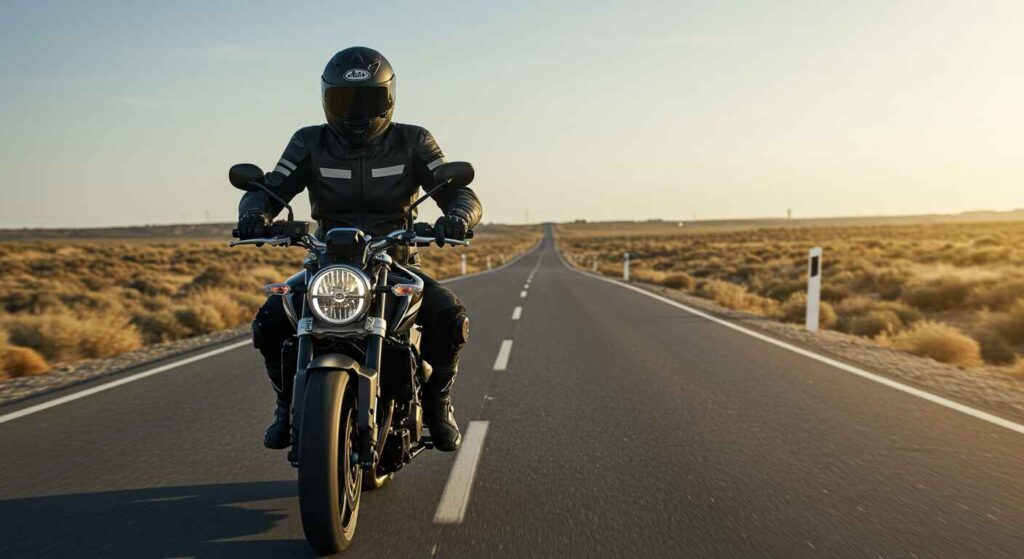
Motorway motorcycle safety starts with keeping your attention on traffic and your hands on the controls. Imagine reaching for a burrito just as brake lights appear ahead. Unwrapping lunch takes a hand away from the bars at the moment you may need to adjust your speed or change position. The example is unusual, but the same problem comes up when you reach for a bottle, adjust your sat nav or try to find something in a pocket.
Save those jobs for a service area or a suitable place to park after leaving the motorway. While you ride, look well ahead, leave room to slow down and plan lane changes early. Those habits matter as much on a familiar commute as they do on a route you have never ridden before.
Why Distractions Matter for Motorway Motorcycle Safety
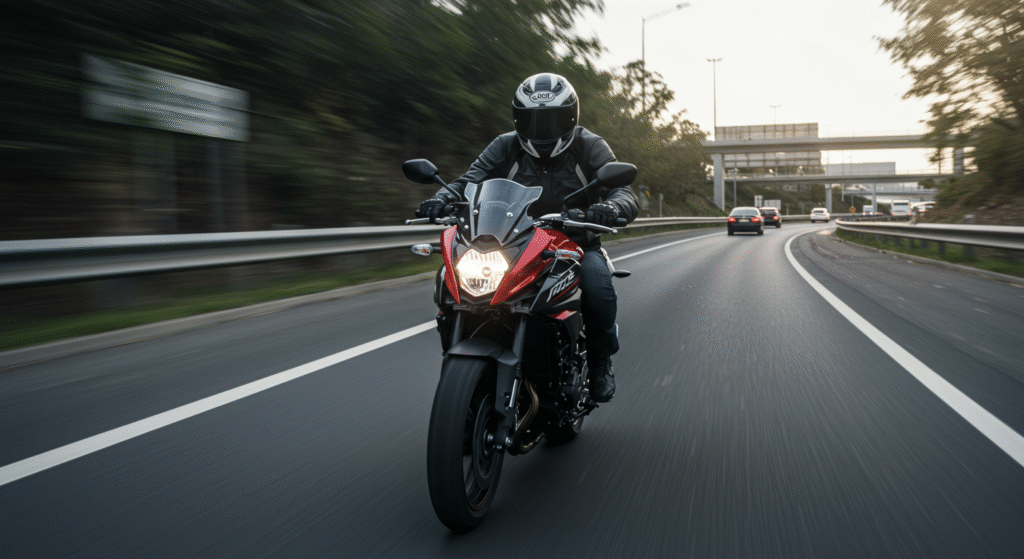
At 70 mph, a motorcycle covers about 31 metres in one second. That gives you a sense of what can happen in the time it takes to look down, open a pocket and look up again. A queue may have started to form beyond the vehicle in front, or a driver in the next lane may already be moving into the gap you were using.
A burrito is an obvious distraction because it occupies one hand and gives you something else to look at. A zipped pocket, a loose strap or a navigation screen can divide your attention in much the same way. Rule 148 of the Highway Code advises riders to avoid distractions including eating and drinking. Rule 160 advises riding with both hands on the handlebars where possible.
Make motorway motorcycle safety part of how you pack. Put food and water somewhere you can reach once parked. Set your route before leaving and check where your first stop could be. If you need to change anything, do it when you are off the carriageway and parked.
Motorway Motorcycle Safety When Joining and Changing Lanes
A slip road gives you time to observe the traffic you are joining. Use it to look for a suitable gap, adjust your speed within the limit and give priority to traffic already on the motorway. Check your mirrors and blind spot before moving across. If the slip road becomes an extra lane, follow it and give yourself time to settle into the flow.
Once you are on the motorway, keep left unless overtaking. Move back when you can leave a clear gap in front of the vehicle you have passed. Around junctions, look ahead for signs and for traffic that may change lanes to join or leave. A lane change is easier to manage when you have time to check what is around you and signal clearly.
Another part of motorway motorcycle safety is knowing when to let a manoeuvre go. If you miss your exit, continue to the next one. A few extra miles give you time to adjust the route after leaving the motorway.
Motorway motorcycle safety around larger vehicles
When riding near a lorry or van, think about how much of the road you can see. If the vehicle blocks your view, drop back to give yourself more space. When you have a safe and legal opportunity to overtake, check the lane ahead and behind before moving out.
Rain spray can reduce visibility around larger vehicles. If you cannot see enough of the road to judge a pass, wait for a clearer view. That gives you time to see brake lights, lane closures or traffic slowing further ahead.
Leave Enough Space to React
Following distance is one of the simplest parts of motorway motorcycle safety to check as you ride. Rule 126 of the Highway Code advises a gap of at least two seconds on high-speed roads and at least twice that on wet roads. Use a sign or another fixed point. When the vehicle in front passes it, count the time until you reach the same point.
Treat that guidance as a minimum. Leave more room when visibility is poor or when the surface makes stopping more difficult. If another vehicle moves into your gap, ease back to rebuild it. Holding on to the same position behind the new vehicle leaves you with less time to respond.
Look further ahead than the vehicle immediately in front. Several brake lights coming on together can give you an early indication that traffic is slowing. In variable conditions, motorway motorcycle safety comes down to matching your speed to the distance you can see and stop within.
Read the signs early
A speed limit in a red circle is mandatory. A red X above a lane means that lane is closed. When signs tell you to move out of a closing lane, look for a safe gap in an open lane and follow the instructions. Leave room for the vehicles around you to do the same.
Amber warnings may signal a hazard before it comes into view. Ease your speed to suit the situation and prepare for traffic ahead to slow. Reading signs early gives you more time to act.
Motorway Motorcycle Safety on Longer Rides
The food stop is part of the route. For a long journey, identify a service area and an alternative further along. If you are riding with others, agree where to regroup before setting off so everyone can make their own decisions about speed, gaps and exits.
Rule 91 recommends a break of at least 15 minutes after every two hours of driving or riding. Stop sooner if you feel sleepy, using a service area or a suitable parking place after leaving the motorway. Rules 270 and 271 restrict the use of emergency areas and other motorway roadside stops. For a planned food or drink break, park at the services or leave at a junction and find suitable parking.
A useful motorway motorcycle safety habit is to use the same stop for several jobs. Eat and drink, check the next part of the route and secure anything you took out of the luggage. If the weather has changed, use the time to adjust your layers. You can then rejoin the road with those tasks already done.
What the Highway Code and the Law Say About Eating While Riding
In Great Britain, the Highway Code lists eating and drinking as activities to avoid while driving or riding. Under sections 3 and 3ZA of the Road Traffic Act 1988, careless driving can apply when the way someone drives or rides falls below the standard expected of a competent and careful driver. Whether that applies in a particular case depends on the circumstances.
For motorway motorcycle safety, the practical question is whether you can give the road your attention and operate the bike as needed. If you are thinking about food, a drink or a route change, take the next suitable opportunity to park and deal with it there.
Motorway Motorcycle Safety Starts Before You Set Off
Before a longer ride, check the motorcycle’s condition and the items you are carrying. Set tyre pressures according to the manufacturer’s guidance for the load, check your lights and make sure luggage is secure and clear of moving parts. Adjust your mirrors in your riding position and confirm you have a clear view through your visor.
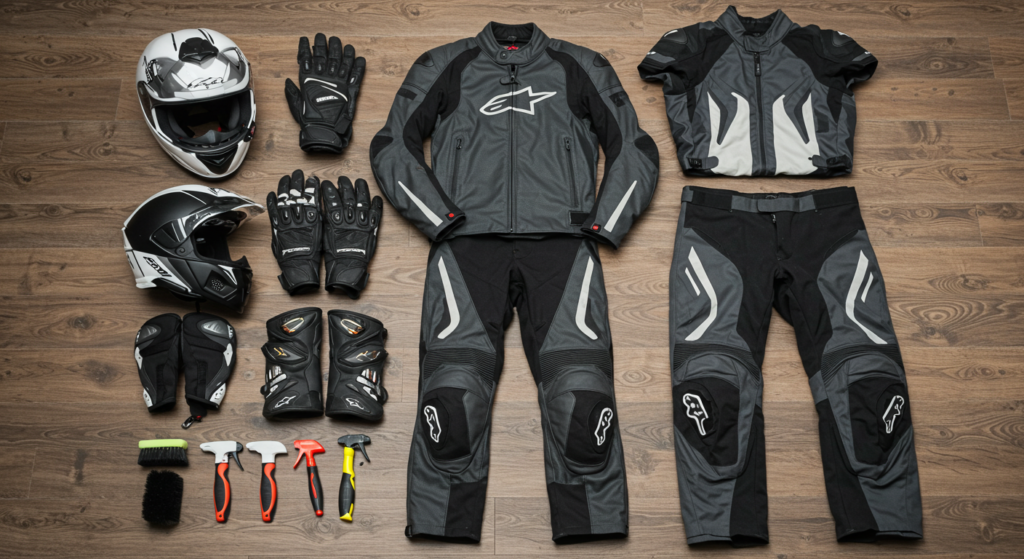
Wear a suitable, securely fastened helmet, motorcycle gloves, protective clothing and riding boots. Check that you can move freely with the layers you plan to wear. Try the kit while seated, bend your arms and knees, and make sure the protectors sit over the areas they are designed to cover.
For motorway motorcycle safety in changeable weather, pack any extra layers where you can reach them after parking. If the weather changes, you can adjust your kit at the next suitable stop.
At GHC Sportswear™ Retail, our men’s Kevlar® motorcycle jeans use 12 oz cotton denim with Kevlar® reinforcement at the seat and removable CE Level 1 knee and hip protectors. The stretch panels at the knees and waist help accommodate the riding position. Check the sizing and product details before ordering.
The next time you plan a long motorway ride, decide where you will take your first break before starting the engine. Lunch can be as simple as a burrito at the services. On the road, keep your hands available for the controls and give yourself space to react.
Follow GHC Sportswear™ Retail on Facebook and Instagram.
Ride smart. Gear up. Know your CE.
Written by the GHC Sportswear™ Retail Team
Trusted by riders who want protection without the blah.