The Importance of Wearing Protective Gear While Riding
Why Motorcycle Protective Gear Matters on Every Ride
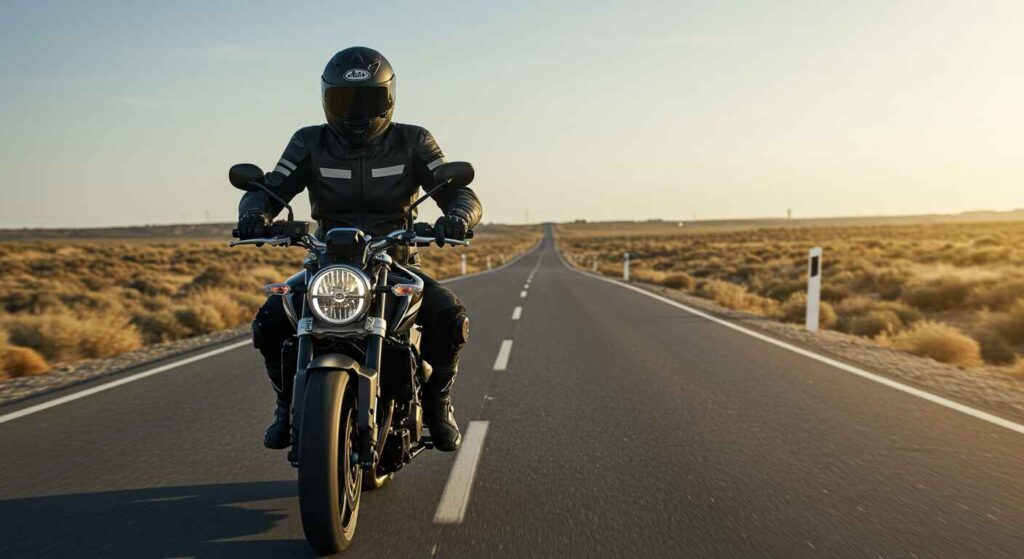
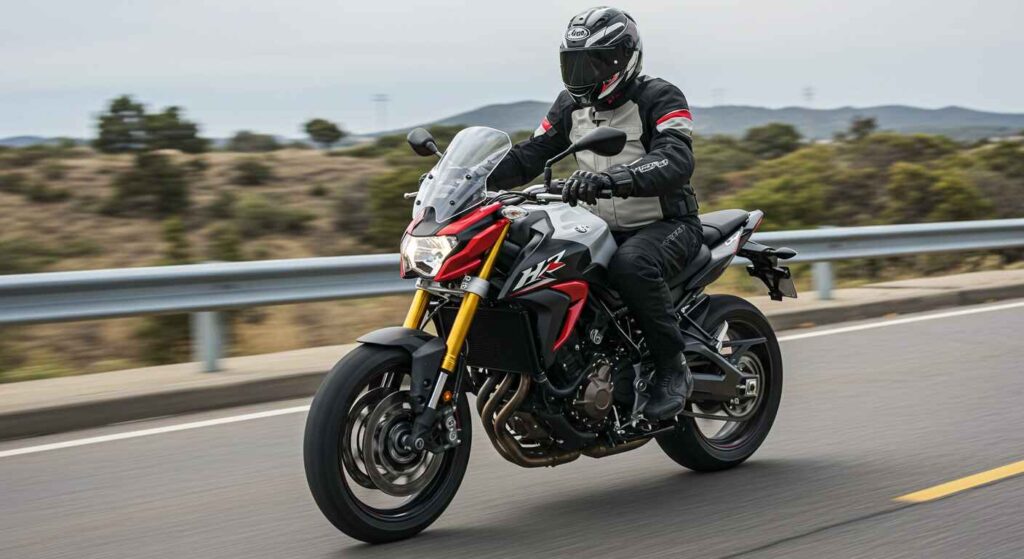
The shortest ride is often the one you’re least inclined to get dressed for. You’re only going to the shops, the weather’s warm and your ordinary jeans are already on. The first junction still asks you to brake, look and move through traffic. Keeping comfortable riding kit ready by the door makes it easier to wear on the journeys you barely count as rides.
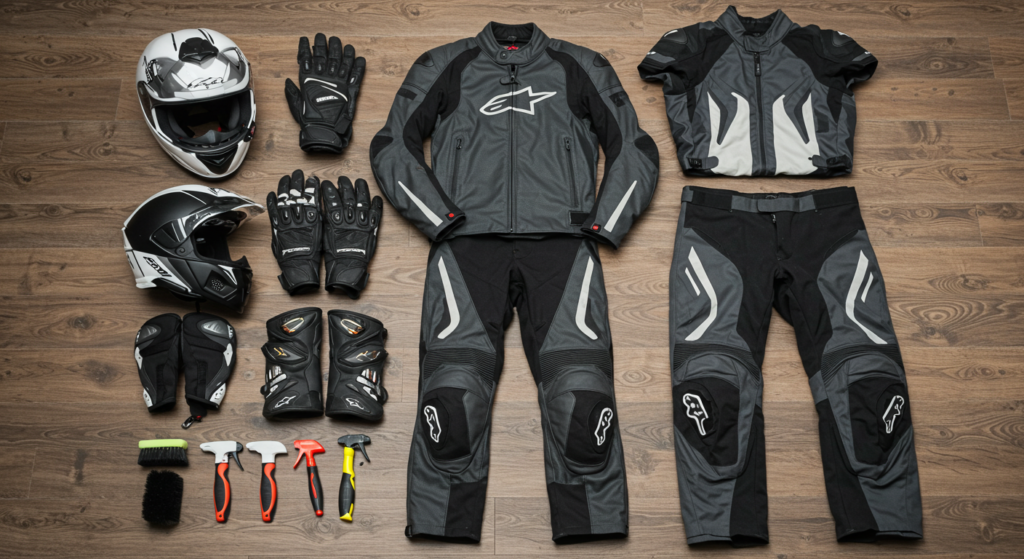
Motorcycle protective gear serves several purposes. A helmet helps protect your head in a crash. A tested jacket or pair of riding trousers puts a layer between you and the road. Gloves, boots and eye protection also affect how the bike feels to ride in ordinary conditions. Choosing each piece gets easier when you know what the label tells you and what you need to check yourself.
What Motorcycle Protective Gear Can Do in a Crash
The strongest evidence concerns helmets. A Cochrane review of helmet studies estimated that, among motorcyclists who crashed, wearing a helmet was associated with about 69% lower odds of head injury and 42% lower odds of death. Those estimates came from the higher-quality observational studies in the review and apply to crash outcomes.
Research on other motorcycle protective gear is more limited. In an observational study of 212 riders who had crashed, those wearing motorcycle jackets, trousers or gloves were less likely to be admitted to hospital. Fitted body armour was associated with a lower risk of injury to several areas, including the hands, wrists and legs. The researchers found no association between armour and fracture risk. The published crash study also reported damage to some garments, which gives buyers a reason to pay attention to construction and testing.
There are two jobs to look for in motorcycle protective gear. Materials and seams help keep a garment together if it contacts the road. Impact protectors are designed to reduce the force transmitted to the areas they cover. A jacket with shoulder and elbow protectors may still have an empty back protector pocket. Check what comes with the garment before you buy.
6 Pieces of Motorcycle Protective Gear and What to Check
1. A Helmet That Fits Securely
In Great Britain, most motorcycle riders and pillion passengers must wear a compliant, securely fastened helmet on the road. UNECE Regulation 22.06 is one of the accepted standards in the government’s motorcycle helmet guidance. Highway Code Rule 83 sets out the requirement and the exemption for Sikhs wearing a turban.
When you try this piece of motorcycle protective gear, do up the chin strap and check that the helmet sits firmly without painful pressure points. The Department for Transport’s SHARP fitting guide explains how to check for movement and why trying several models can help. Once you know what fits, compare coverage, ventilation and features such as a visor you can easily open and close with gloves on.
2. A Riding Jacket With Tested Construction
Start with the garment label when you compare motorcycle protective gear. For jackets and trousers, EN 17092 covers tests that include impact abrasion, tear strength and seam strength. Classes A, AA and AAA have progressively more demanding requirements. Check the separate EN 1621 markings on the impact protectors and see which ones are included. The SATRA guide to EN 17092 explains how the clothing and protectors are assessed.
Zip up the jacket and reach forward as you would on the bike. The elbow and shoulder protectors should stay over the areas they cover, and the cuffs should meet your gloves. Try the jacket with your usual layers. One that works well over a T-shirt can feel restrictive over a thick jumper. Our motorcycle jacket guide covers the trade-offs between ventilation, weather protection and fit.
3. Gloves That Let You Feel the Controls
Gloves are the piece of motorcycle protective gear you feel every time you change gear or adjust the throttle. Look for EN 13594, the standard for protective motorcycle gloves. It covers palm abrasion, seam strength and wrist restraint, among other requirements. SATRA’s motorcycle glove testing guide explains the performance levels and knuckle impact requirements.
Fasten both gloves and try the grips and levers with the bike stationary and the engine off. Check that the fingertips have room to move and the palm stays flat when you close your hand. In cold weather, extra insulation can help, provided you can still feel the switches and move easily between the grips and levers. Our motorcycle glove fitting guide explains what to check on both hands.
4. Boots That Stay Secure and Let You Shift and Brake
Motorcycle protective gear for your feet needs to work on the bike as well as when you’re walking. Look for EN 13634 on the boots. The standard includes tests for the upper, sole attachment and resistance to being compressed sideways. Resistance to water penetration and outsole slip are among the optional tests described in SATRA’s motorcycle footwear guide.
Try boots with your usual socks and trousers. Check that the closure holds securely and that you can move your ankle enough to use the gear lever and rear brake. A bulky toe box may feel fine on the shop floor and take up more room than you expect under a gear lever. If you commute in rain, check the manufacturer’s weather claims for the exact model.
5. Riding Trousers With Armour That Sits in the Right Place
When comparing motorcycle protective gear for your legs, read the garment class and check what comes with it. Try the trousers seated, with your knees bent and your feet in roughly your riding position. The knee protectors should cover the knees in that position. Check where the hip protectors sit and how the trouser cuffs meet your boots.
If you prefer denim, the GHC Sportswear™ Retail shop lists men’s Kevlar® motorcycle jeans with removable CE Level 1 knee and hip protectors. The protector level and the class of the trousers describe different tests. Our motorcycle CE ratings guide explains how to check both on the item you’re considering.
6. Eye Protection That Keeps Your View Clear
A clear visor or compatible goggles are part of the motorcycle protective gear you need for the conditions. Check how the visor closes, how easily you can see to the sides and whether the setup works with your glasses if you wear them. GOV.UK lists the accepted standards for visors and goggles used on the road.
Clean the visor as the helmet maker directs and check for scratches before setting off. A scratch you barely notice in daylight can become distracting when an oncoming headlight catches it. If your visor tends to mist in the rain, check which ventilation settings or anti-fog inserts the helmet maker recommends.
Match Motorcycle Protective Gear to the Ride You Actually Do
A regular commute, a summer day out and a winter touring trip call for different layers. Start with the protective pieces you can wear comfortably. Then think about the weather, whether you’ll ride after dark and where you’ll put wet kit when you arrive.
- For short, frequent trips, keep your motorcycle protective gear easy to put on and easy to find. Try it with your usual clothes so you know which layers fit without shifting the armour.
- For hot days, compare ventilation and fit alongside the tested garment class. Check that vents are easy to open and sit where you’ll feel the airflow in your riding position.
- For rain or darkness, check what’s visible on your outer layer. A waterproof jacket or backpack can cover reflective details. Our high-visibility gear guide explains when fluorescent and reflective materials are useful.
If you’re buying several pieces at once, compare the cost of the kit as you’ll wear it. One jacket may come with a back protector while another has a pocket and the insert is sold separately. Your helmet may already come with a clear visor you can use on your usual route. If you own some of the pieces, take them along when trying the rest. Checking cuffs, hems and fastenings together can save you a return trip to the shop.
Keep Your Motorcycle Protective Gear Ready for the Next Ride
Check the helmet strap and visor when you take your kit off. Fasten the gloves and see whether a seam or wrist closure is starting to wear. If you’ve washed a garment, make sure the protectors are dry, fitted in the correct pockets and sitting where you expect. Our motorbike gear maintenance guide covers how to clean and store different materials.
If your motorcycle protective gear takes an impact in a crash, follow the manufacturer’s replacement or inspection guidance. Replace a helmet that took an impact while you were wearing it in a crash, even if the outside looks intact. SHOEI’s guidance on crash damage explains how an impact can affect the helmet’s performance. For jackets, trousers and gloves, check the seams, closures and protector pockets as well as the visible scuff.
The Bottom Line on Motorcycle Protective Gear
Start with a helmet that fits securely, then look for tested riding clothing, gloves and boots that work together. Try the whole setup in your riding position and keep it ready for the trip you do most often. That’s the motorcycle protective gear you’ll reach for when you’re heading out for ten minutes or spending the day on the bike.
Follow GHC Sportswear™ Retail on Facebook and Instagram.
Ride smart. Gear up. Know your CE.
Written by the GHC Sportswear™ Retail Team
Trusted by riders who want protection without the blah.