Gate keeping in Motorcycle Culture: Breaking the Biker Stereotype
Gatekeeping in Motorcycle Culture — How to Make More Riders Feel Welcome
You turn up for a café ride on a bike you’ve spent weeks getting comfortable on. Before anyone asks your name, somebody asks when you’re going to get a “proper bike”. Maybe they mean it as a joke. If you’re the only person there on a small commuter, it can feel like a question you’re expected to answer before you’re allowed into the conversation.
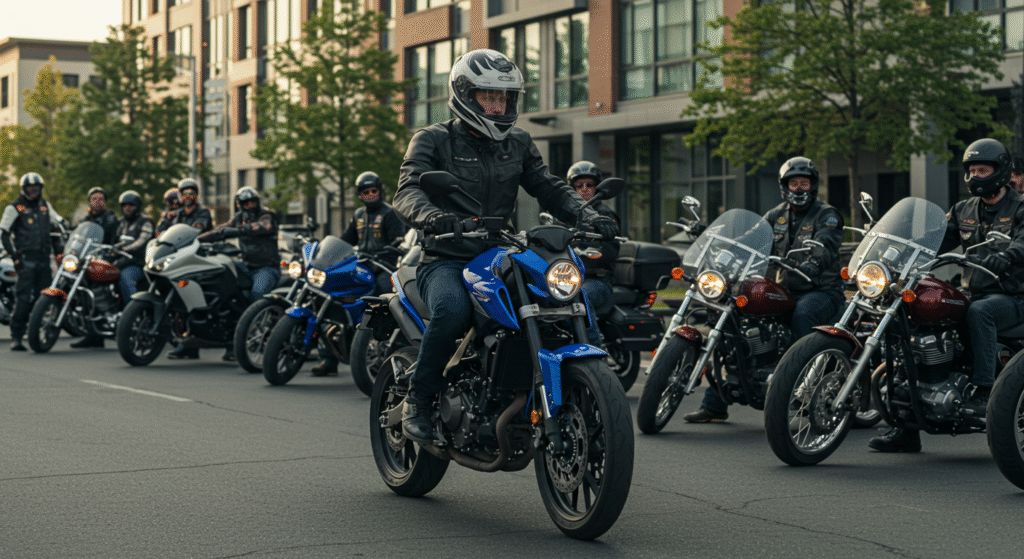
That’s one way gatekeeping in motorcycle culture shows up. It can happen at a café, in a club chat, at a dealership or under a photo of someone’s first ride. The details differ, but the pattern is familiar. A person who came to talk about motorcycles finds themselves having to explain why they belong. Riders and organisers can change that through how they invite people, explain the ride and respond when someone is singled out.
What Gatekeeping in Motorcycle Culture Looks Like
Gatekeeping in motorcycle culture happens when people use an informal test of who counts as a rider. The test might be engine size, a particular badge, the number of miles someone rides or whether they look like the people already in the group. It’s often easier to spot the pattern than to judge any one remark. If the same person keeps having their knowledge questioned while others get the benefit of the doubt, they’ll notice.
There’s room for teasing between friends who know each other. With someone who has just arrived, the same remark can land differently. Before commenting on their bike, ask what they like about it or where they’ve been on it. You might find they’ve already put more thought into fuel stops and wet-weather commuting than you have. Our article on motorcycle rider personalities looks at what different riders bring to a café conversation.
Where Ride Requirements Help and Where Gatekeeping Starts
A ride organiser may need to specify a licence, a suitable bike or experience with a particular type of route. A long day with fast roads, limited stops or rough surfaces asks different things of riders from a short morning loop. Sharing that information early helps people decide if the outing suits them. The IAM RoadSmart group riding manual advises organisers to plan around rider ability, road type, distance and breaks.
Gatekeeping in motorcycle culture is easier to spot when the requirement has little to do with the ride. “We’ll cover about 120 miles and stop twice” gives someone information. “Come back when you have a real bike” leaves them guessing. If a ride calls for experience, explain what kind and why. For an open outing, give people a clear way to ask questions before they commit. Our guide to group rides for bikers covers what to share about pace, stops and regrouping.
Clubs can also have a specific purpose. Owners of one make may want to swap parts and maintenance advice, and riders with shared experiences may want a community of their own. The British Motorcyclists Federation’s club directory shows how varied those interests can be. A clear description of who an event is for helps people understand the invitation.
Who Gets Left Out by Gatekeeping in Motorcycle Culture?
Gatekeeping in motorcycle culture can start with an assumption about who owns the bike. A woman asks about her motorcycle and gets an answer directed to the man beside her. A rider from an ethnic minority gets asked where they’re “really” from when everyone else gets asked what they ride. A rider who mentions a same-sex partner finds the conversation turns into a joke at their expense. Each person came to talk about bikes and ended up being singled out for something else.
Some riders have built spaces where they can meet others with shared interests and experiences. The Women in Moto Show features women riders and offers activities for different experience levels, including complete beginners. The Gay Bikers Motorcycle Club began in 1977 and describes its members as ranging from novices to advanced riders and racers. Both show how a group can make its purpose clear while welcoming people who ride in different ways.
Riders can challenge gatekeeping in motorcycle culture without asking anyone to explain their identity or speak for a whole group. Direct your questions to the person who owns the bike. Listen to their answer. If a remark singles them out, address the remark and give them room to rejoin the conversation.
How Gatekeeping in Motorcycle Culture Follows New Riders
New riders already have plenty to think about on a first club ride. They’re learning a route, working out the group’s habits and getting used to riding alongside people they’ve just met. A comment about a cautious pace can make someone feel they have to keep up. Gatekeeping in motorcycle culture can show up in a single moment like that. A ride leader can take some pressure off by explaining where the group will regroup and saying plainly that everyone can ride at their own pace.
The same expectations can follow people online. A feed filled with the same bikes and people might give a newcomer very little idea of what the ride is actually like. A post showing the meeting point, an ordinary café stop or a short route can be more useful. Ask before sharing photos of people. Our article on riding and social media looks at how what people post can affect how a scene appears from outside.
When gatekeeping in motorcycle culture shows up in comments, the response from the people who run the page matters. A prompt reply to an honest question sets a tone. So does stepping in when an answer turns into a pile-on. Newcomers can see how a group handles questions long before they decide whether to turn up in person.
5 Ways to Challenge Gatekeeping in Motorcycle Culture
- Make the invitation specific. Say where people meet, how far you’ll ride, how many stops to expect and whether the route suits riders new to groups. Include a contact who can answer questions. That makes “new riders welcome” useful to someone deciding whether to come.
- Give newcomers a person to look for. Have someone meet them at the start, introduce them to the ride leader and explain how regrouping works. It’s easier to walk up to a group that already knows one another when you know who to ask for.
- Respond to the behaviour you see. When a joke repeatedly targets the same person, say what needs to change. “Let’s give them a chance to answer” can redirect a conversation. Organisers tackling gatekeeping in motorcycle culture can also name someone people can speak to privately.
- Offer more than one way to join in. A short café loop, a longer touring day and a meet-up where people arrive independently give riders different ways to take part. Someone who’s still building confidence or has only a free morning can choose what suits them.
- Give different riders a chance to contribute. Ask who wants to suggest a route, help with the next welcome briefing or share a useful tip. The person with the smallest bike might know the best place to stop. Give them the same opportunity to speak as the riders who usually lead.
After an event, ask what was hard to work out before or during the ride. If people struggled to find the meeting point, fix the directions. If riders felt rushed, revisit the route or the regrouping plan. Specific feedback helps you see where gatekeeping in motorcycle culture or simple confusion got in the way.
Give people a private way to raise a concern. If someone tells you a remark kept coming up, ask what happened and whether they want help addressing it. If the group needs a reminder about how to speak to one another, you can give it without naming the person who raised the issue. That makes it easier to deal with gatekeeping in motorcycle culture while respecting the rider’s privacy.
When Gatekeeping in Motorcycle Culture Enters Gear Advice
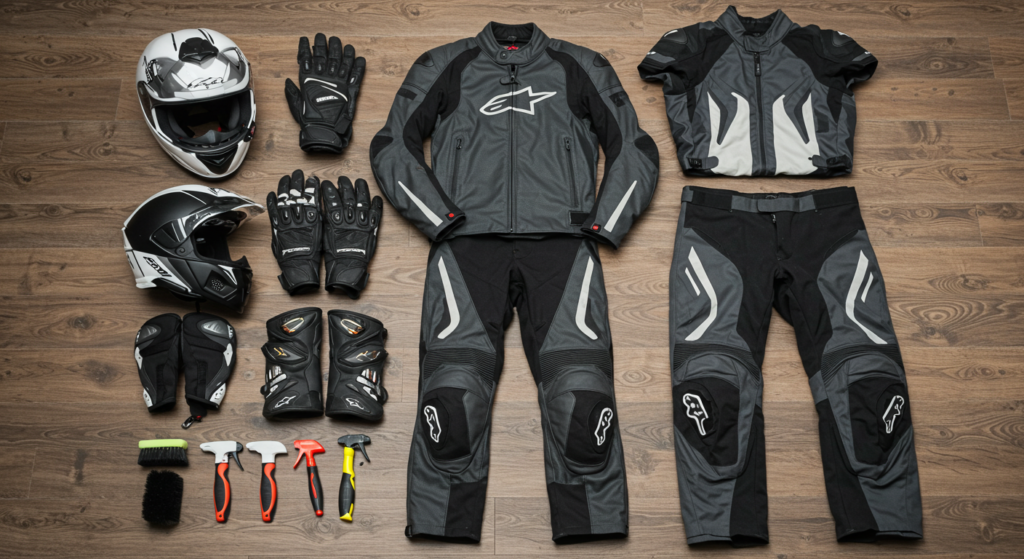
Kit can become another test of belonging when riders assume everyone can find the same sizes, afford the same brands or ride in the same weather. If someone asks what to buy, start with what they need the gear to do and how it fits on their bike. Our guide to motorcycle protective gear explains what different pieces do and how to check the labels.
A rider shopping on a budget may already know which style they like. What they need from an experienced friend is help comparing the fit, tested protection or weather features of the options they can afford. That kind of advice is a practical way to counter gatekeeping in motorcycle culture. It gives the rider information they can use and leaves the choice with them.
What Changes When More Riders Feel Welcome?
Gatekeeping in motorcycle culture is easiest to challenge in ordinary moments. Introduce yourself to the person who arrived alone. Explain where the group is stopping. Listen when someone says a route is too much for them today. You can keep the traditions you value and make them easier for someone else to understand.
At the next café stop, ask a rider how they got there and give them time to answer. That’s a better introduction to the group than any question about what they ought to ride.
Follow GHC Sportswear™ Retail on Facebook and Instagram.
Ride smart. Gear up. Know your CE.
Written by the GHC Sportswear™ Retail Team
Trusted by riders who want protection without the blah.