Taboos and Traditions: The Unspoken Rules of the Road
The Unspoken Rules of Motorcycling — 7 Traditions and Courtesies
A rider nods to you on a quiet road. A friend gives you a small bell for the bike. At the café, someone you’ve just met tells you which road they’d take home in the rain. Each gesture makes riding feel a little more familiar when you’re sharing the road with people you don’t yet know.
The unspoken rules of motorcycling include courtesies that give other riders room to make decisions and traditions that people keep because they mean something to them. They vary between groups and places. If you’re new to the scene, you can learn most of them by watching how people ride together and asking what the group expects before you set off.
1. Acknowledge Other Riders When You Can
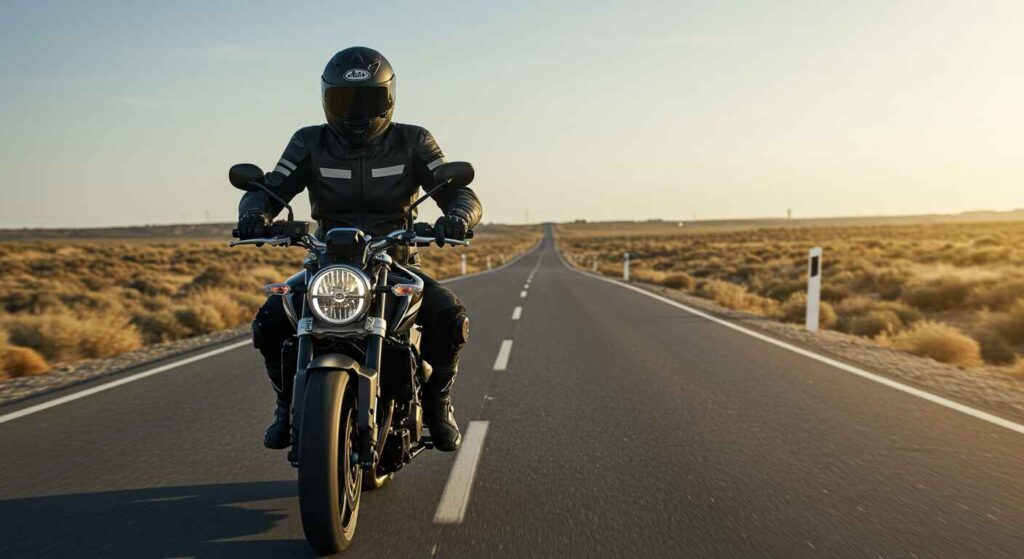
Of the unspoken rules of motorcycling, the biker nod is often the first one people notice. A small nod as you pass is enough to say hello. Some riders wave when conditions allow, while others prefer a nod. At a stop, a simple hello works just as well.
Treat it as a friendly gesture. If someone is braking, negotiating a bend or watching traffic at a junction, they may be concentrating on the road. Give them room to do that. A quiet country lane gives you a different moment for a nod from a line of traffic in town. Our motorcycle rider lingo guide covers more of the shorthand you’ll encounter once people are off the bike.
If you’re explaining the unspoken rules of motorcycling to someone who has just started riding, tell them when you’d skip a greeting. You might be easing through a junction or watching a car at a side road. They’ll know where to put their attention first when the same thing happens to them.
2. Give Other Riders Space to Choose Their Line
Giving people room is one of the unspoken rules of motorcycling that makes the biggest difference when you ride together. Another rider may change position as the road surface, view ahead or traffic changes. Leave enough room for them to move within their lane and enough distance for you to react if they slow down. If you plan to pass, make sure you can do it safely and legally with space to complete the manoeuvre.
In Great Britain, Highway Code Rule 126 advises allowing at least two seconds on high-speed roads and in tunnels with reduced visibility. It advises at least doubling that gap in the wet and allowing more space on ice. The general principle is to leave enough room to stop safely if the vehicle ahead slows or stops.
On a ride with friends, familiarity can tempt you to close the gap. The unspoken rules of motorcycling work best when you give the person ahead the same space you’d want behind you. If they slow for a bend or a rough patch, you’ll both have more room to respond.
3. Agree How the Group Will Ride Before Leaving
The unspoken rules of motorcycling are easier to follow when a group explains its own habits. Before setting off, ask who’s leading, how the route works and where you’ll regroup if you get separated. If the group uses signals or junction markers, ask the organiser to explain them at the briefing. The IAM RoadSmart group riding manual covers planning, briefing and what to do if riders lose sight of one another.
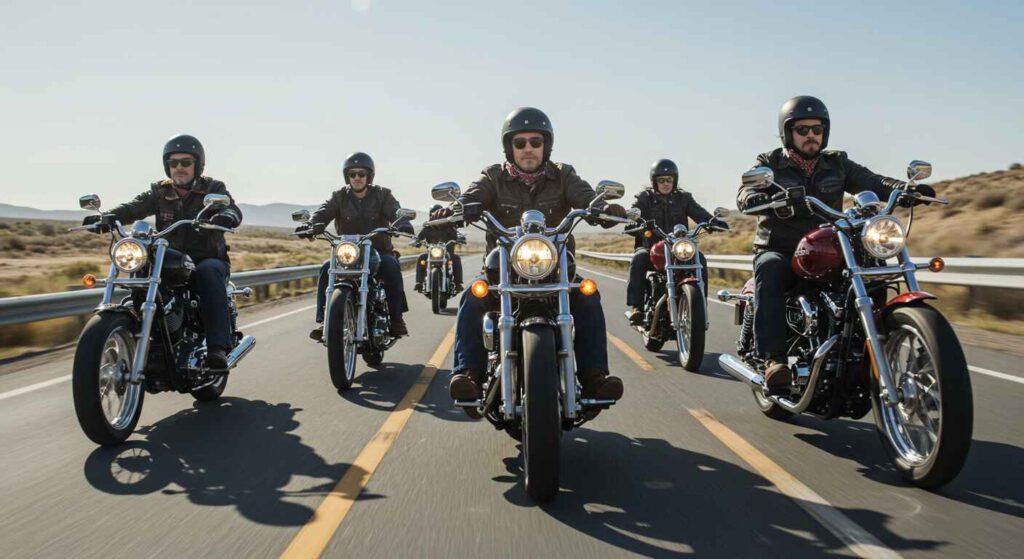
A group might use staggered positions on suitable stretches, then spread out or move into single file when the road calls for it. Keep a safe gap and make your own decisions. The rider in front may get through a junction or pass a vehicle before conditions change. Highway Code Rule 163 advises road users to assess each overtake for themselves.
If you’re leading, give people a way to ride within their limits. Share the address of the next stop and make it clear that anyone can wait for a gap or take a break. Our group rides guide explains how to agree the pace and the plan before setting off.
One of the useful unspoken rules of motorcycling on a group ride is to tell people when you plan to leave. Mention it at the briefing if you’re only joining for the morning. When you’re ready to head home, let the organiser know at a stop so the group knows you’re accounted for.
4. Club Colours and the Unspoken Rules of Motorcycling
Club colours are patches or insignia that can identify membership. Their meaning depends on the club and its traditions. If you’re curious about a patch, ask the person wearing it. The same courtesy applies to a bike or helmet. Ask before handling someone else’s kit, sitting on their bike or posting a photo that identifies them.
This part of the unspoken rules of motorcycling makes more sense if you think about what the item means to its owner. One patch might mark membership. Another might commemorate a ride or someone they used to ride with. A question gives the rider the choice to tell you the story. Our article on biker subcultures looks at how groups have developed their own styles and customs.
At a mixed café meet, give people the same courtesy whatever badge they wear. If you’re attending a club event, ask the organiser how it works. Our article on gatekeeping in motorcycle culture explains how a group can make its customs clear and help newcomers feel welcome.
5. Enjoy the Gremlin Bell as a Gift
The gremlin bell, sometimes called a guardian bell, is a small bell riders may attach to a motorcycle. In the story, it wards off mischievous gremlins blamed for trouble on the road. In a familiar version of the tradition, the bell has extra meaning when someone else gives it to you. Harley-Davidson’s guide to ride bells describes its connection with superstition and gift-giving.
Among the unspoken rules of motorcycling, the bell belongs to folklore. A gift might remind you of the person who gave it to you or the first trip you took together. If you fit one, follow the mounting instructions and check that it’s secure, clear of hot and moving parts and leaves enough clearance from the road. Our guide to biker superstitions covers other stories you may hear at a stop.
6. Keep Your Pre-Ride Rituals and Do the Checks
One rider might put on the left glove first. Another might pause for a moment or tap the tank before starting the engine. Personal habits like these sit alongside the unspoken rules of motorcycling. They can give you a moment to settle before you set off.
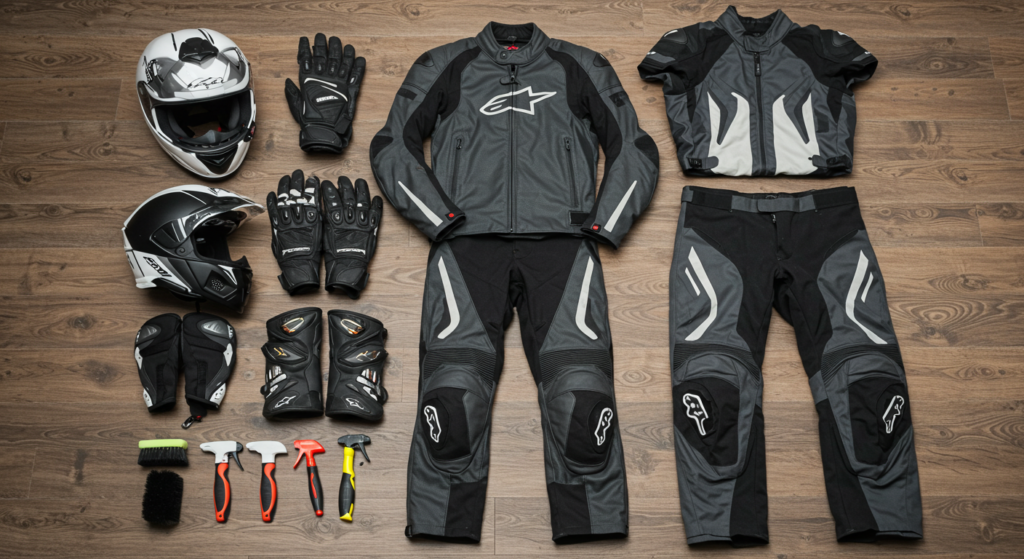
Give the practical checks their own place in the routine. Look at the tyres and lights, check the brakes and fasten your helmet. Follow the bike’s manual for checks specific to your model. The DVSA’s motorcycle safety questions give examples of how to check tyres, lights and the chain.
A familiar sequence can make it easier to remember what you’ve done. If someone interrupts you halfway through, pick up at the last check you’re sure you finished. That’s one way the unspoken rules of motorcycling and personal habits can work together. Our article on pre-ride rituals and good luck charms explores why riders make these routines their own.
7. Offer Help When It’s Safe and Share What You Know
Helping someone is one of the unspoken rules of motorcycling that can matter long after a ride. If you see a rider stopped and can pull into a safe place, ask whether they need help. They may already have recovery on the way. If stopping would put you or others at risk, continue to a safe place and call for help if needed. The Highway Code’s incident guidance covers what to do at a collision.
Help can also mean sharing a route, explaining how a ride is organised or answering a question at the café. Ask what the person wants to know and give them a specific answer. For riding technique, a qualified observer can give feedback based on what they see on the road. BikeSafe workshops include an observed ride with a police-graded motorcyclist or approved observer.
Explain the reason for a habit when you pass on the unspoken rules of motorcycling. If you prefer a particular meeting point, tell a newcomer how to find it and why the group chose it. They may remember that the next time they organise a ride for people who haven’t been there before.
The Unspoken Rules of Motorcycling in Everyday Use
- On the road, acknowledge others when you can and give them space to make their own decisions.
- In a group, know where to regroup and judge each junction and overtake for yourself.
- At a stop, ask before handling kit or sharing photos, and give new riders time to join the conversation.
- Before leaving, keep any ritual you enjoy and finish the practical checks that tell you the bike is ready.
The unspoken rules of motorcycling can be as simple as a nod or as practical as making sure the last rider knows where the group is stopping. If you’re bringing someone new along, tell them where you’ll meet, how you’ll ride and what to do if they want to take a break. That gives them a fair chance to enjoy the day and share a few traditions of their own.
Follow GHC Sportswear™ Retail on Facebook and Instagram.
Ride smart. Gear up. Know your CE.
Written by the GHC Sportswear™ Retail Team
Trusted by riders who want protection without the blah.